

If you’re planning to build or redesign a website, one of the first questions that comes up is simple:
In 2026, the answer is not just about numbers. While price ranges can give you a rough idea, what truly matters is what sits behind that price. The difference between a basic website and a high-performing one is rarely about how many pages it has. It comes down to how intentionally it is built to support the business behind it.
Some websites are created just to exist. Others are built to generate trust, guide users, and drive results.
To give you a clear starting point, here is how website pricing typically looks today:
|
Tier
|
Price range
|
What you get
|
|---|---|---|
|
AI / DIY
|
€0 – €1,000
|
Generated website with limited flexibility and no strategic foundation
|
|
Basic Website
|
€2,500 – €5,000
|
Simple website with standard structure and basic functionality
|
|
Professional Website
|
€5,000 – €10,000
|
Custom website with improved structure, design and user experience
|
|
Strategic Professional Custom platforms
|
€10,000 – €25,000+
|
High-performance website or platform with strategy, scalability and business-focused architecture
|
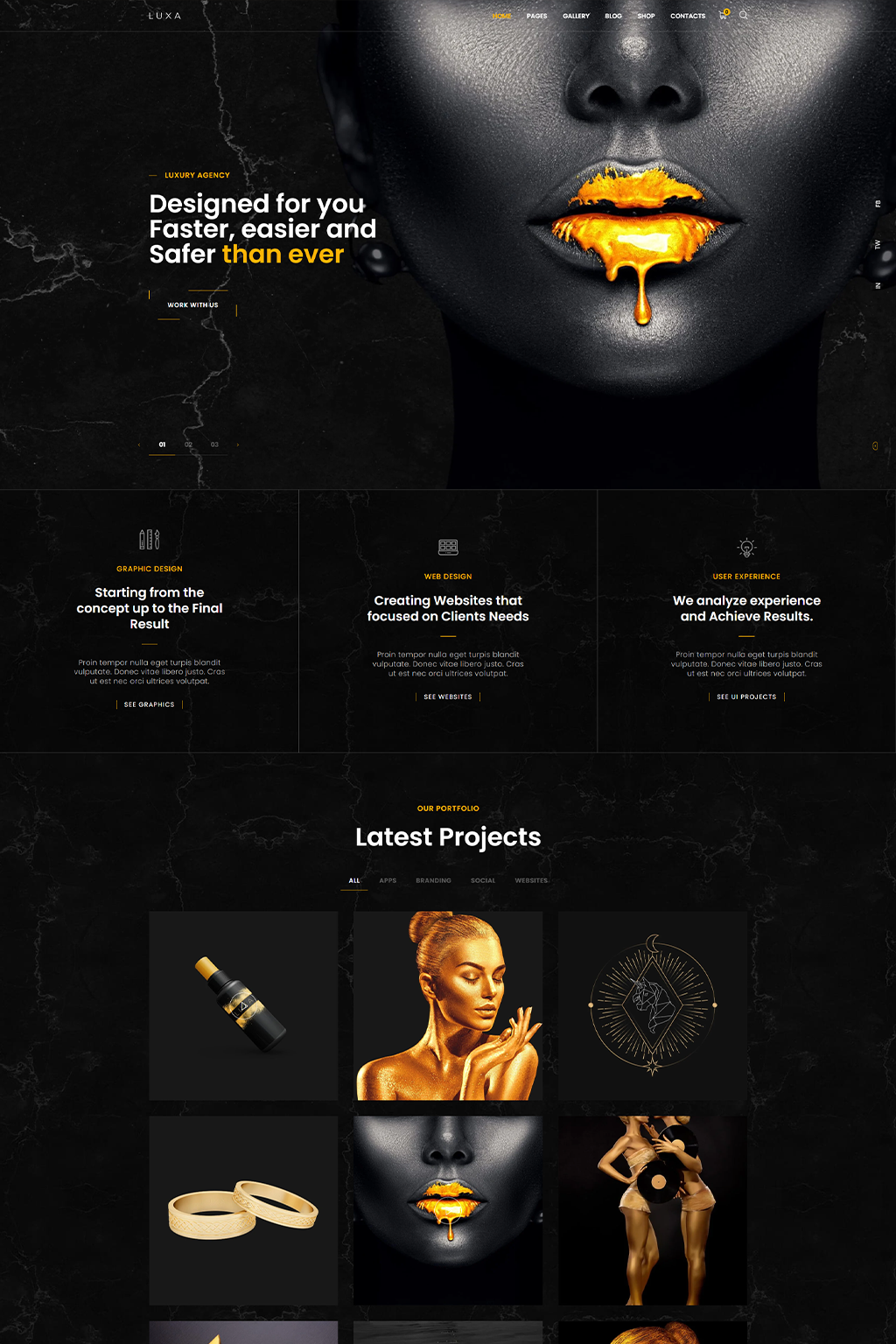
Today, creating a website has never been easier. With AI tools and builders, you can launch something in a matter of hours.
For personal projects or early-stage ideas, this can be a practical way to get started.
However, these websites are not built around your business. They are generated from existing patterns, which means they often lack focus and direction.
This is often referred to as “AI slop”. While it may look modern at first glance, the experience tends to feel busy and unfocused.
Instead of guiding the user, it creates noise.
As a result, these websites may work as placeholders, but they rarely perform well when the goal is to generate leads or support business growth.
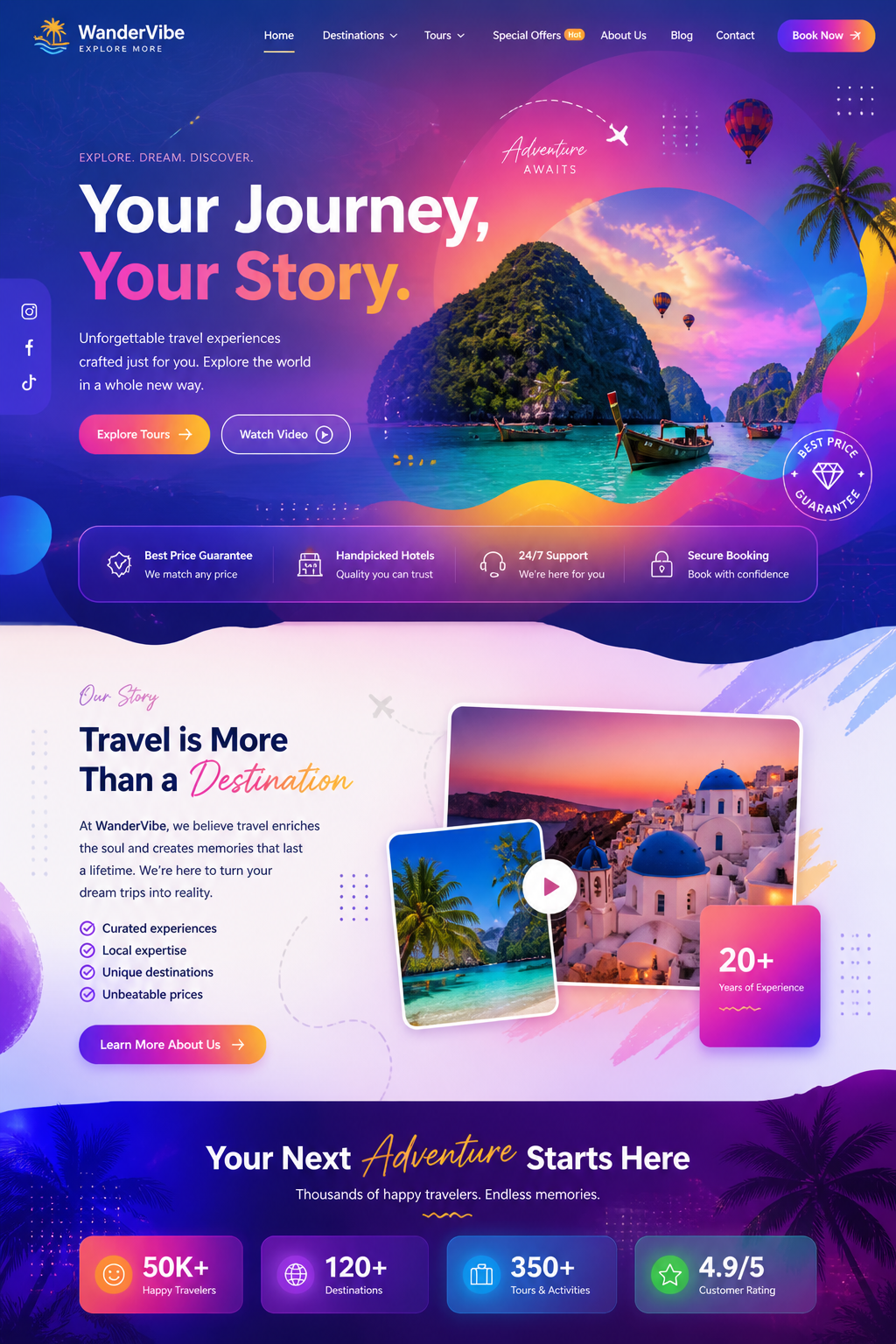
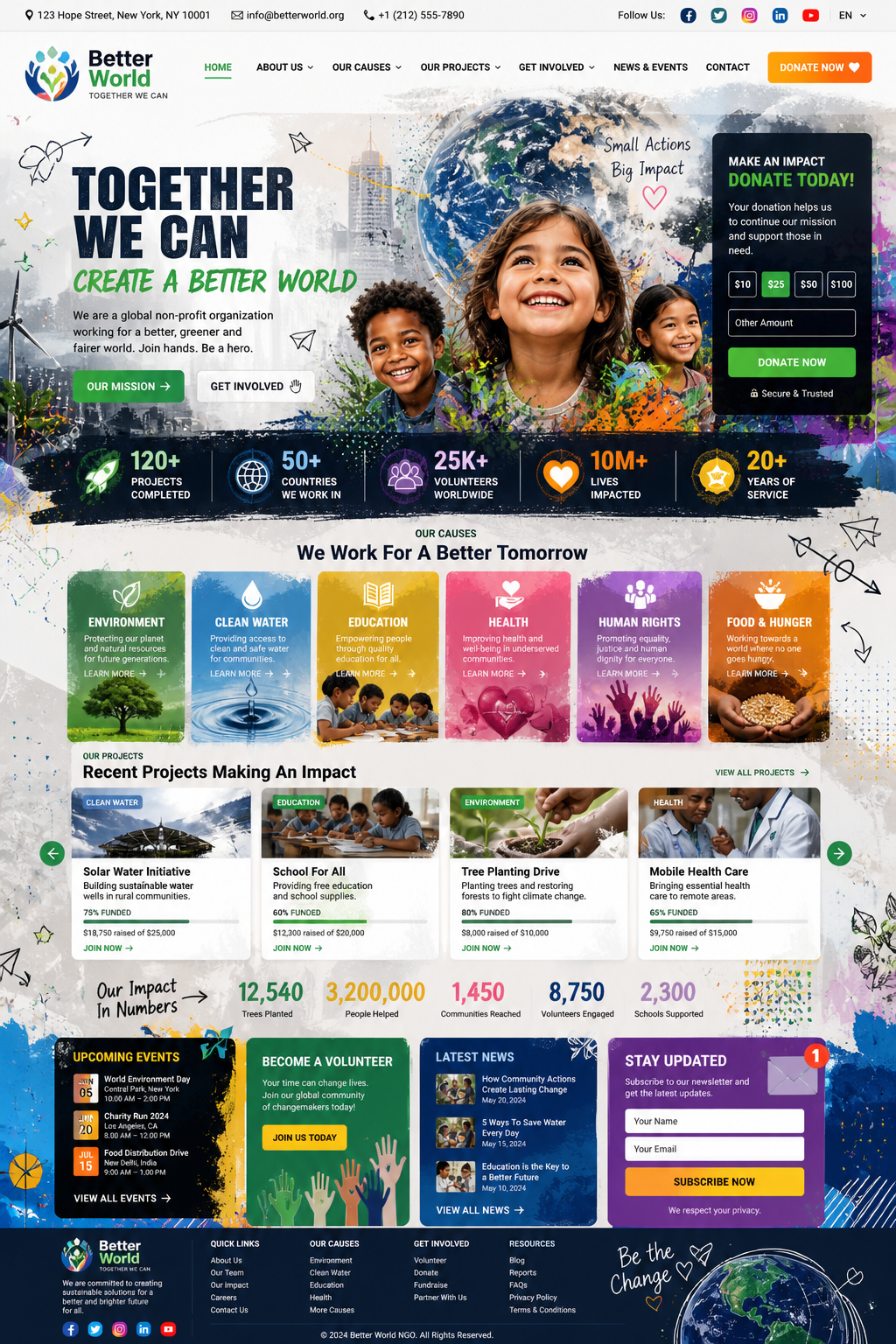
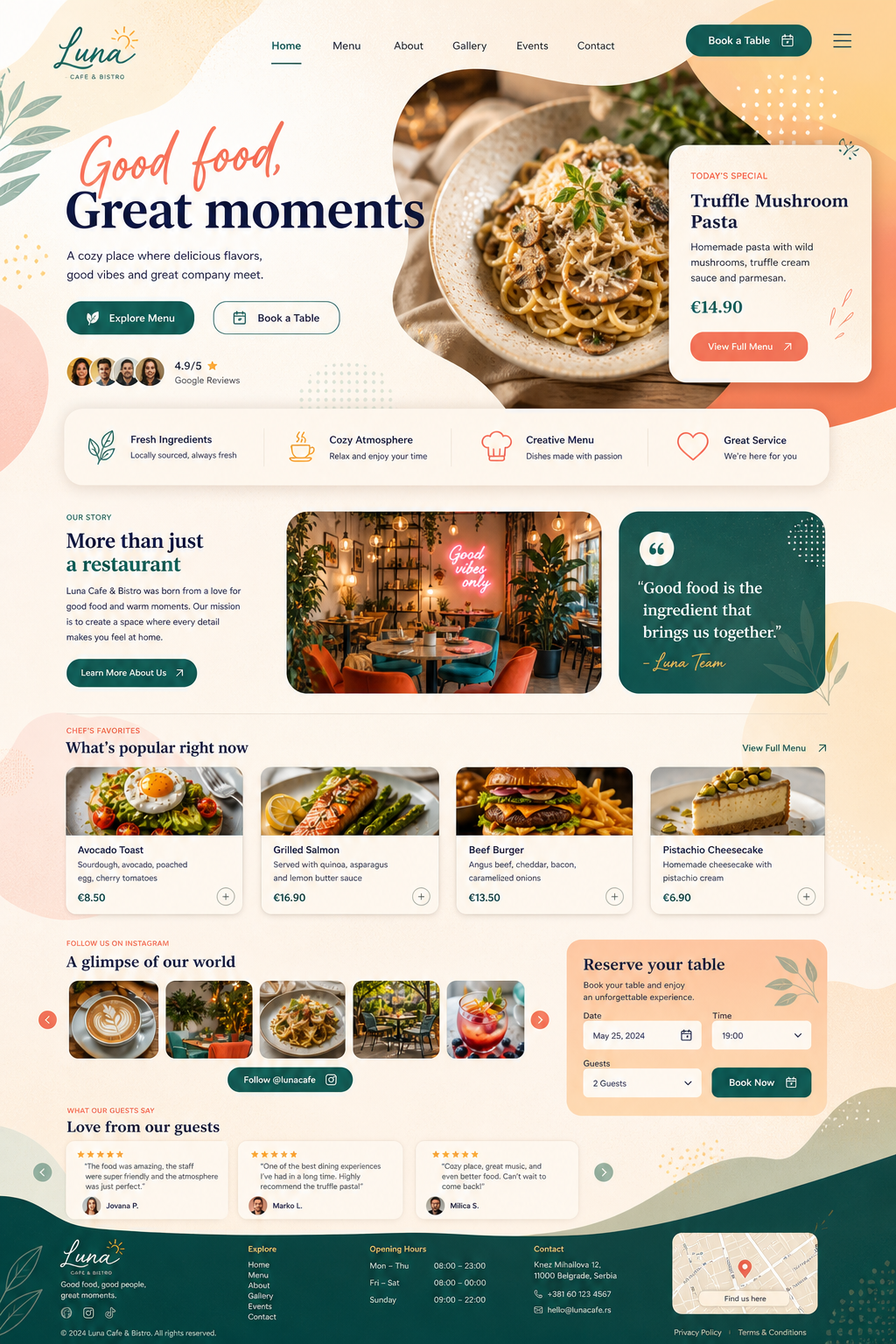
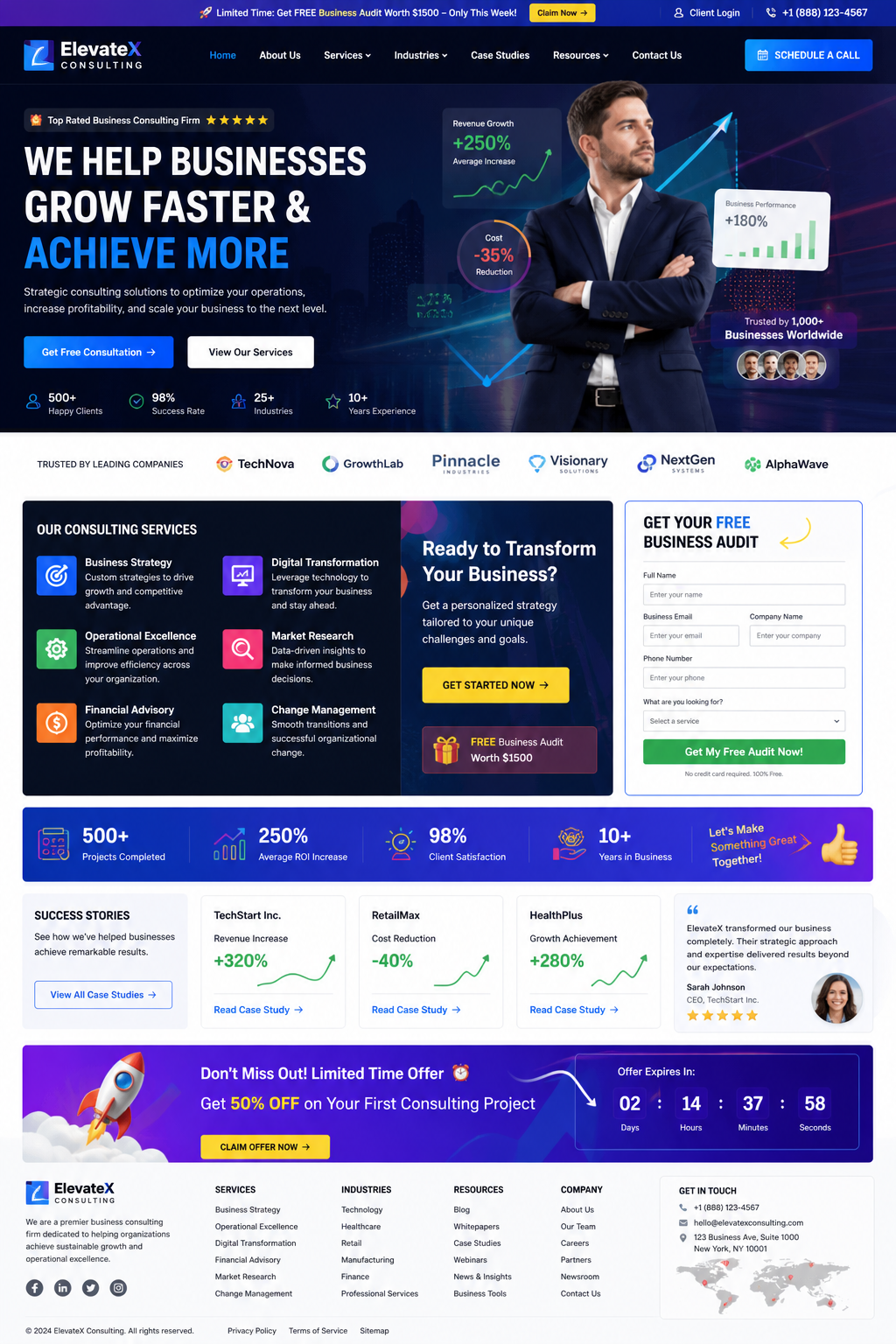
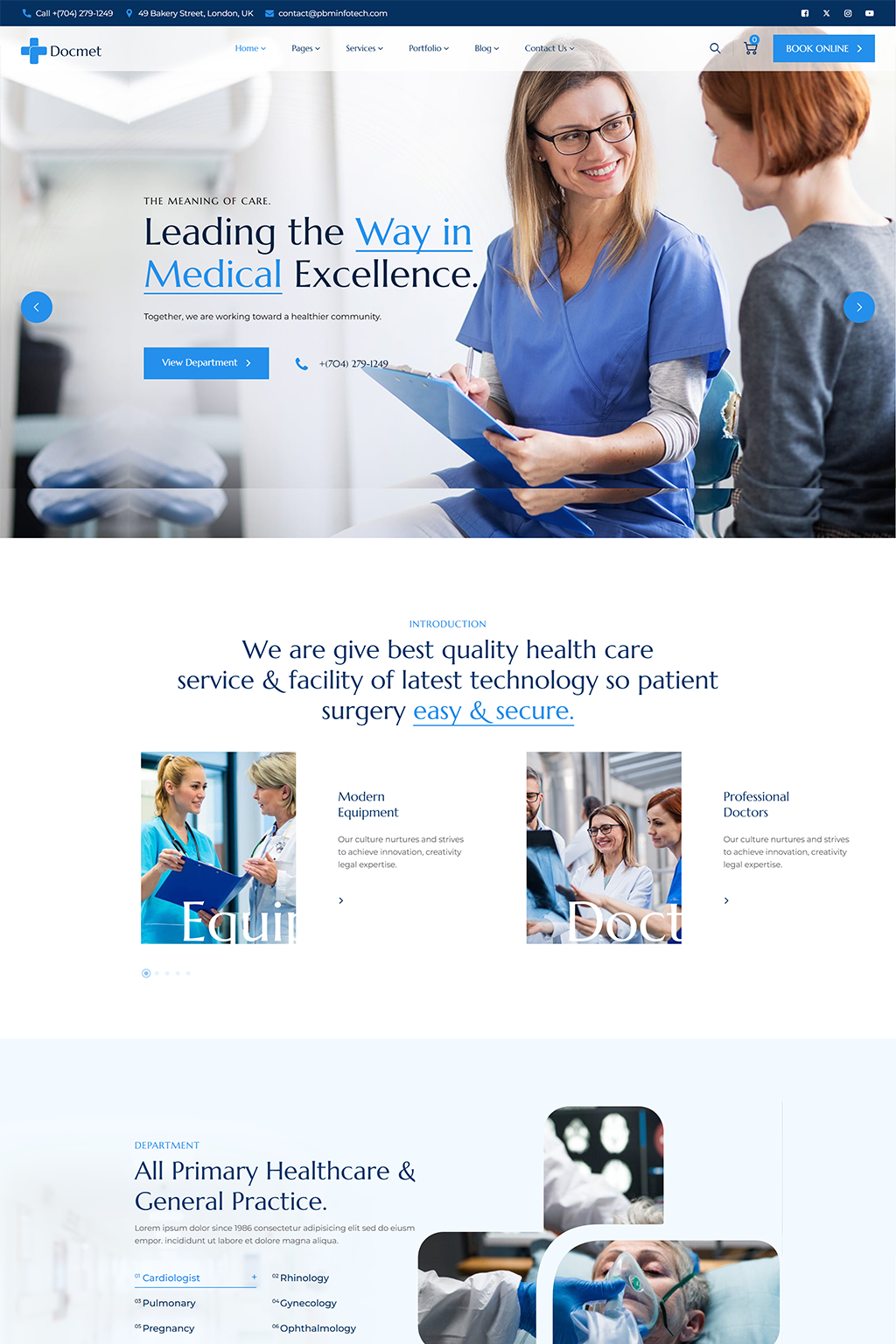
Once businesses move beyond DIY solutions, this is usually the next step.
At this level, the website is more structured and visually consistent. It typically uses a customised template or a light custom design, which makes it more reliable across devices.
That said, the underlying logic is still fairly limited.
There is often little strategic thinking behind how users move through the site, what actions they should take, or how the website differentiates the business. It presents information clearly, but it does not actively guide behaviour.
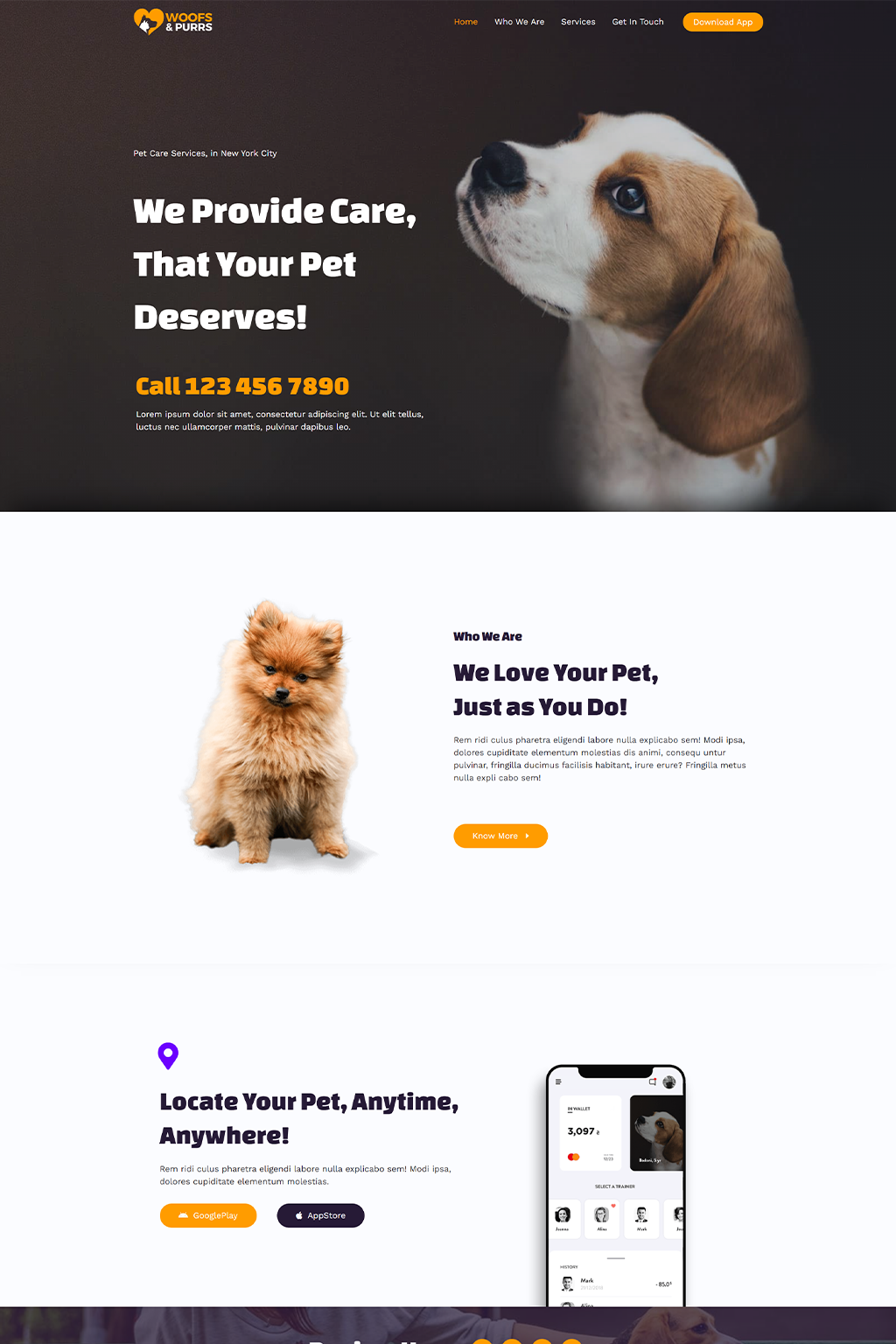
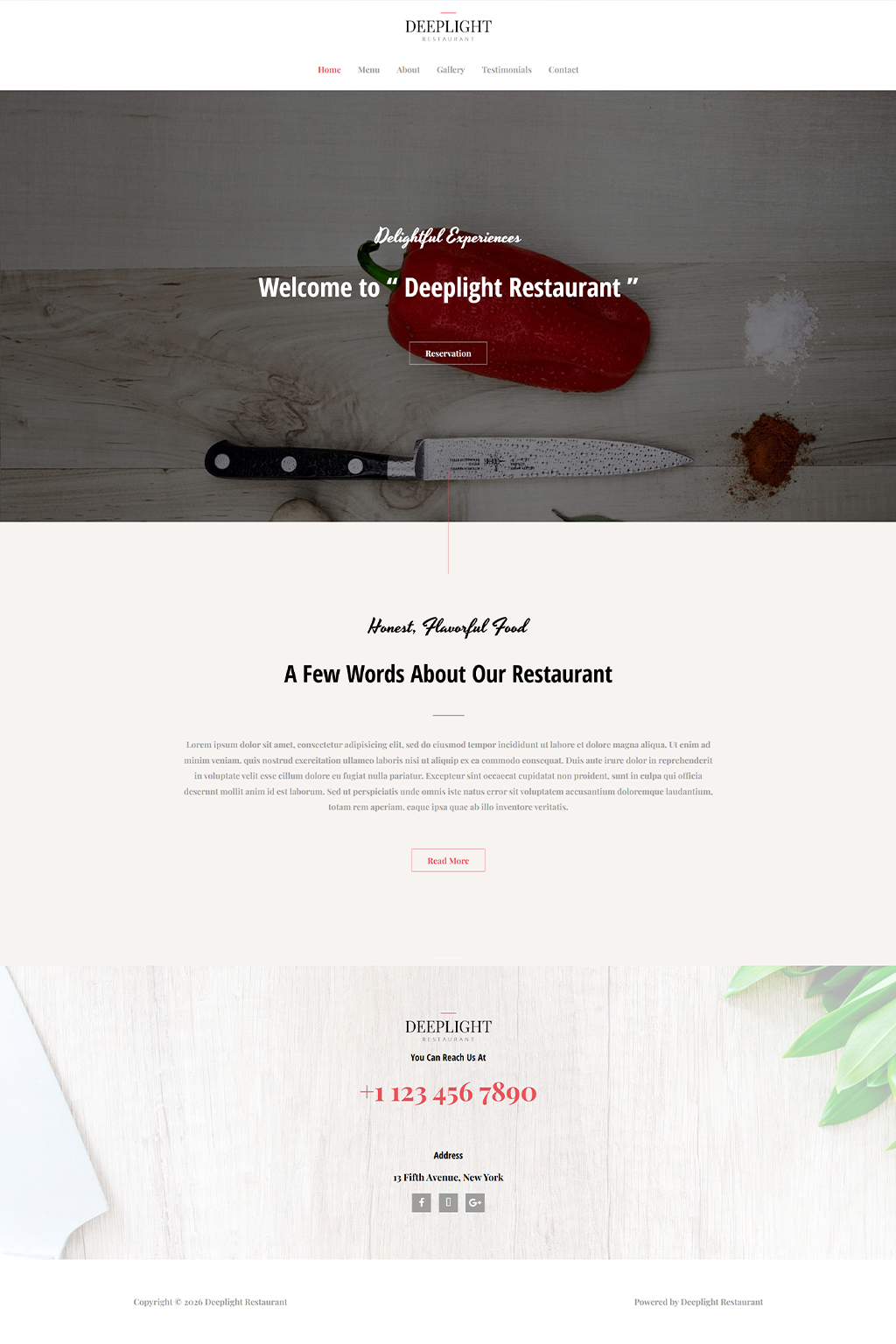
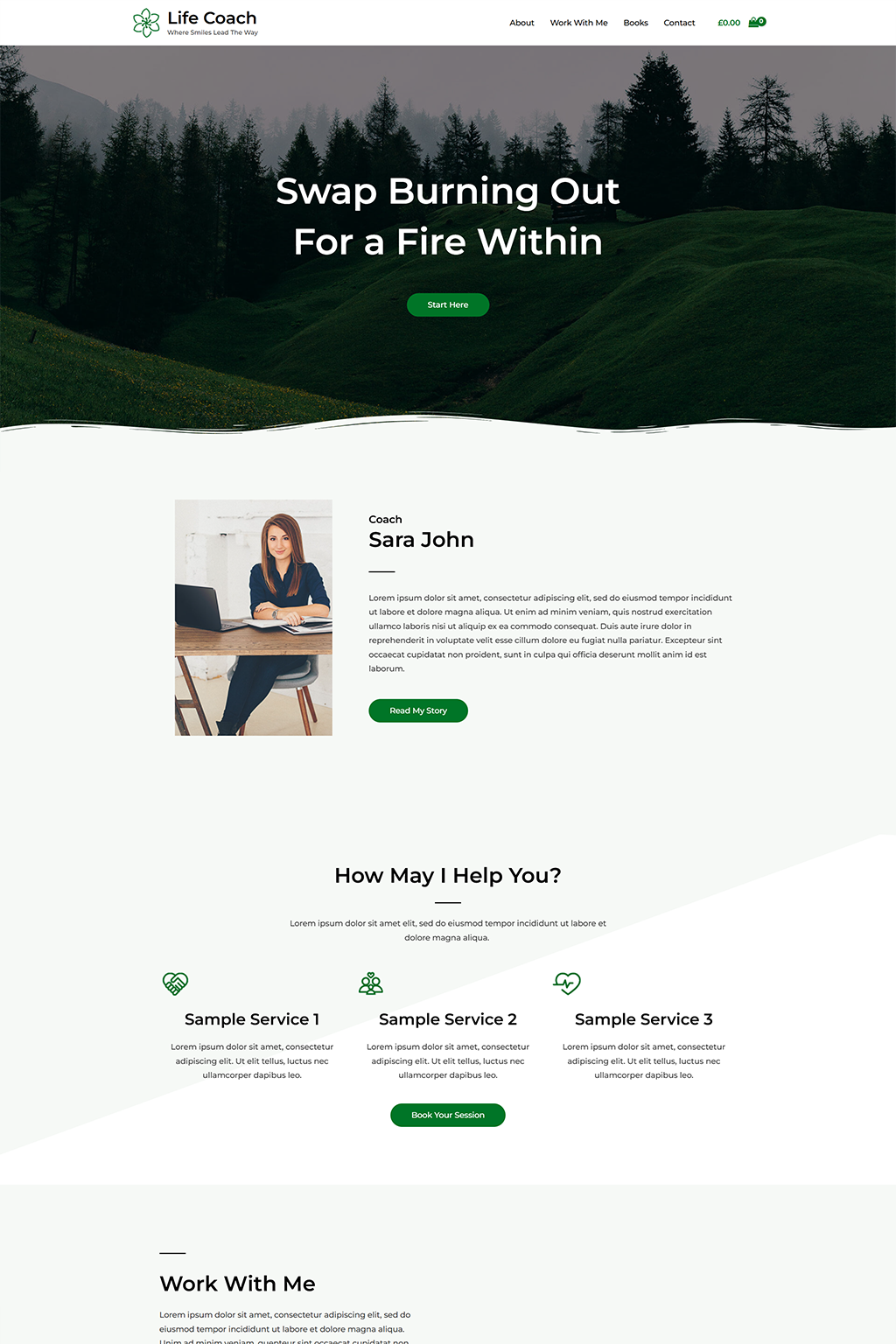
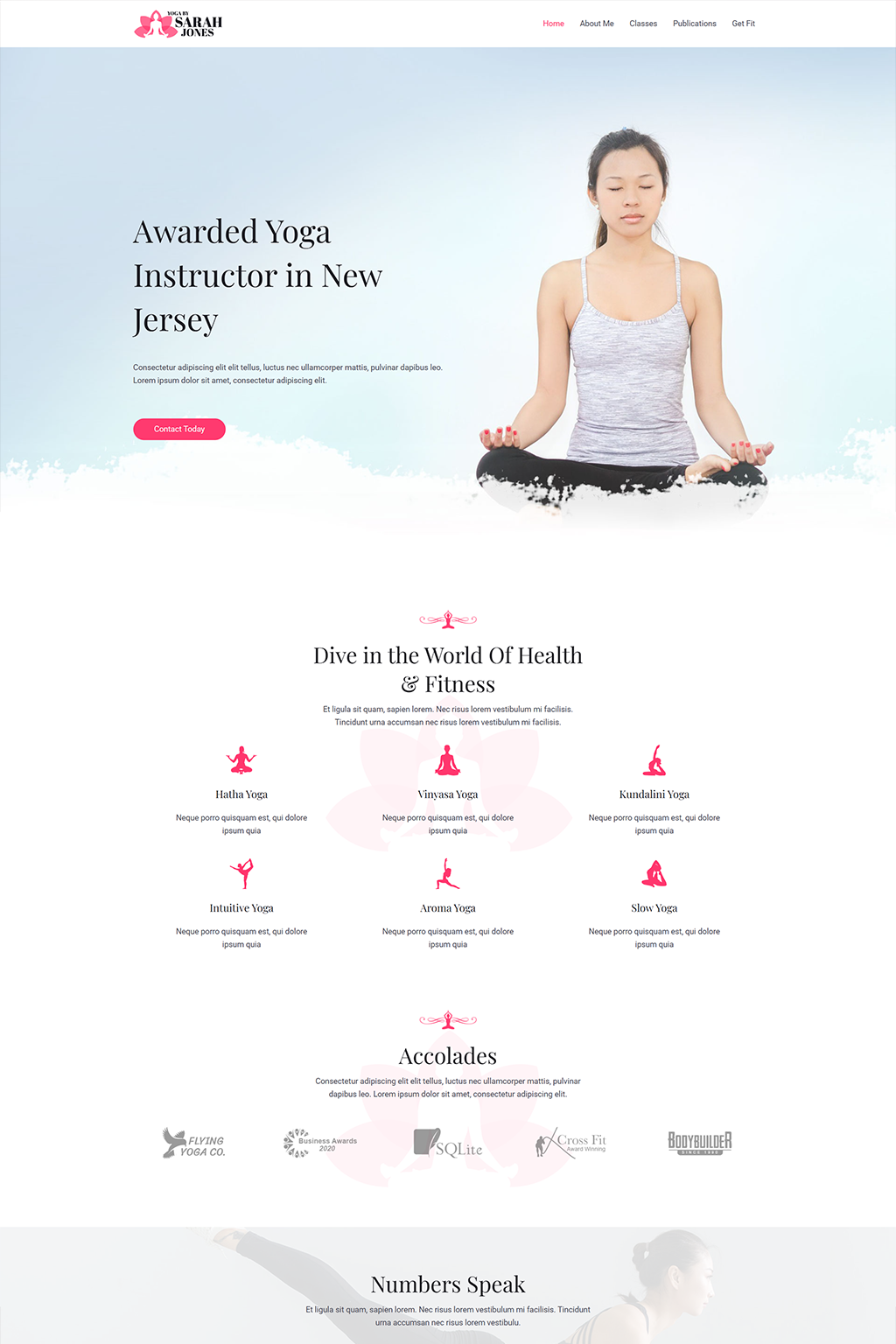
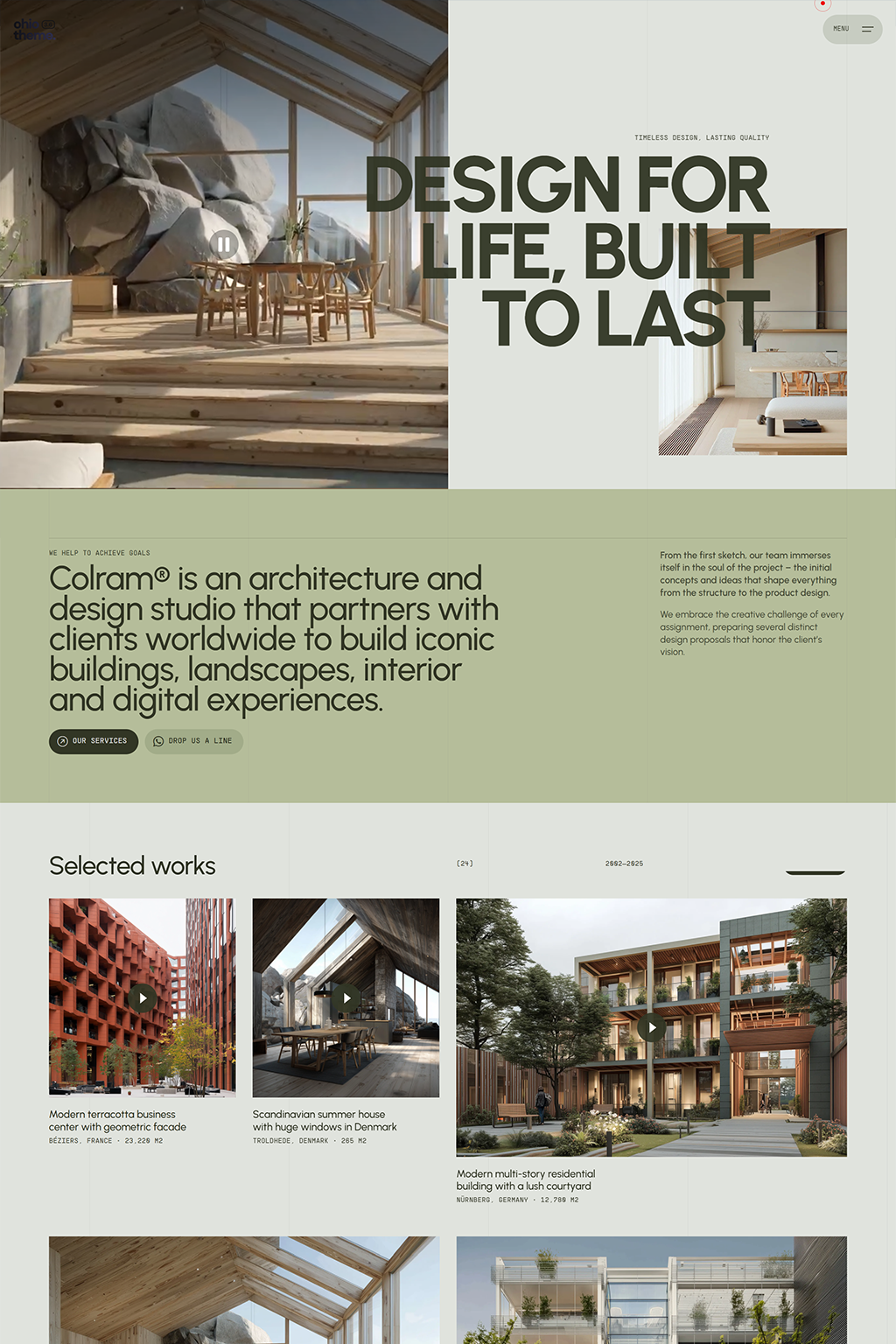
At this stage, the website begins to feel more intentional.
The structure, content, and design start working together, creating a more cohesive experience for the user.
This is often where businesses notice a visible shift in how they are perceived online.
However, while the foundation is solid, deeper optimisation is still limited. Conversion strategy, performance tuning, and long-term scalability are not always fully developed.
The website works well, but it may not yet perform at its full potential.
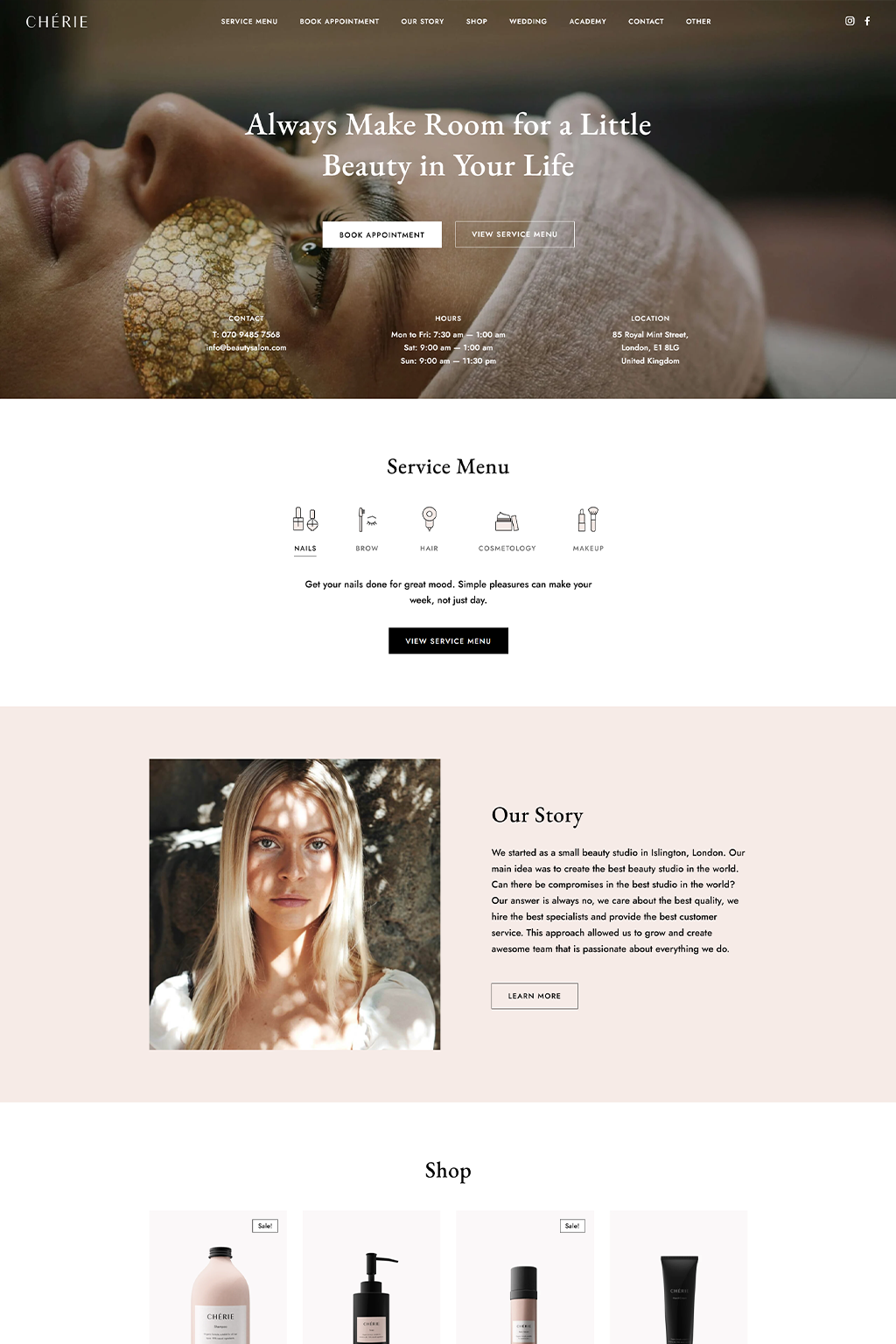
At this level, the approach changes completely.
The website is no longer treated as a standalone project, but as part of a broader business system.
Every element is considered in relation to a specific goal, whether that is generating leads, building trust, or supporting growth.
Instead of simply presenting information, the website actively supports decision-making.
This is where a website starts to function as an asset, rather than just an online presence.
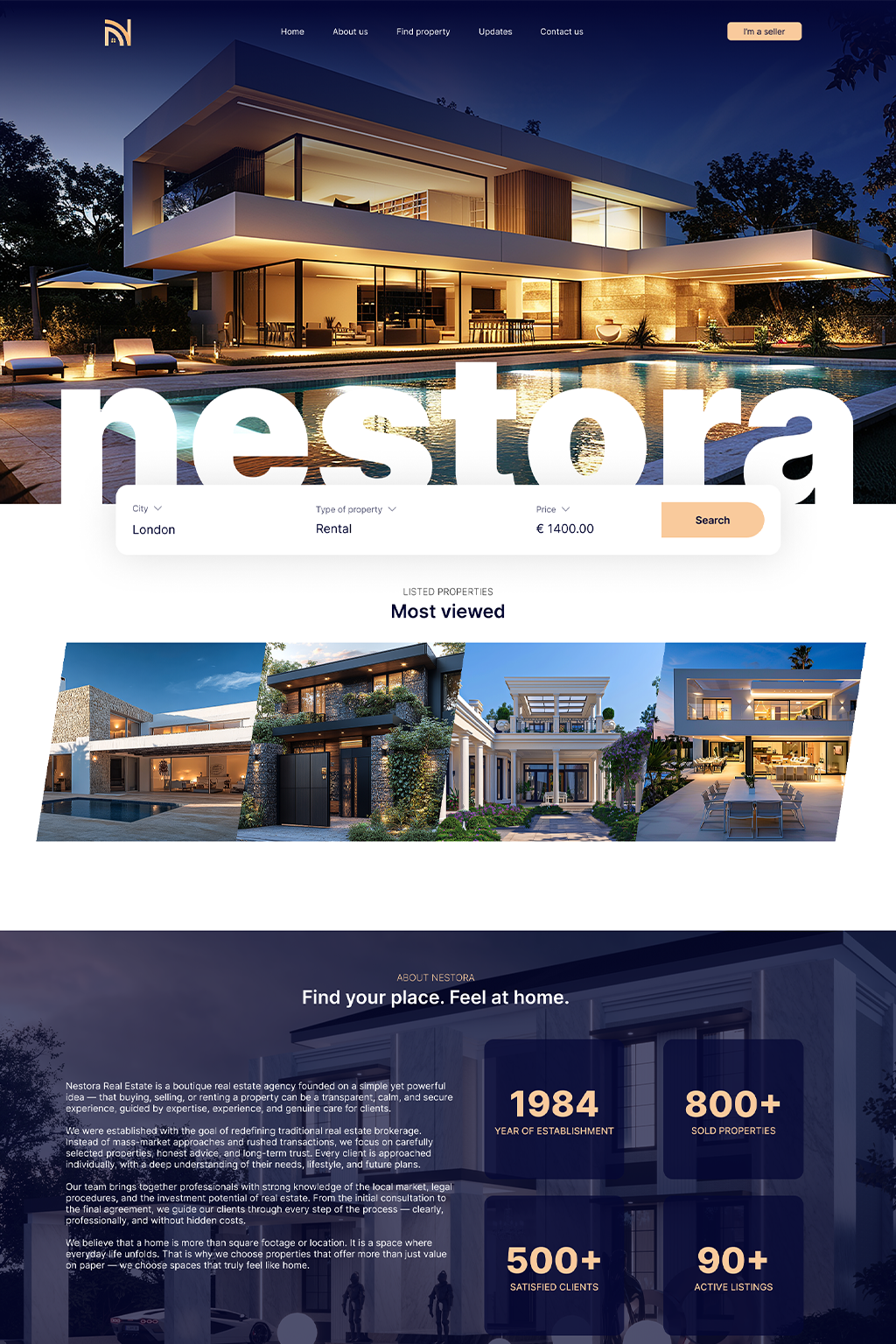


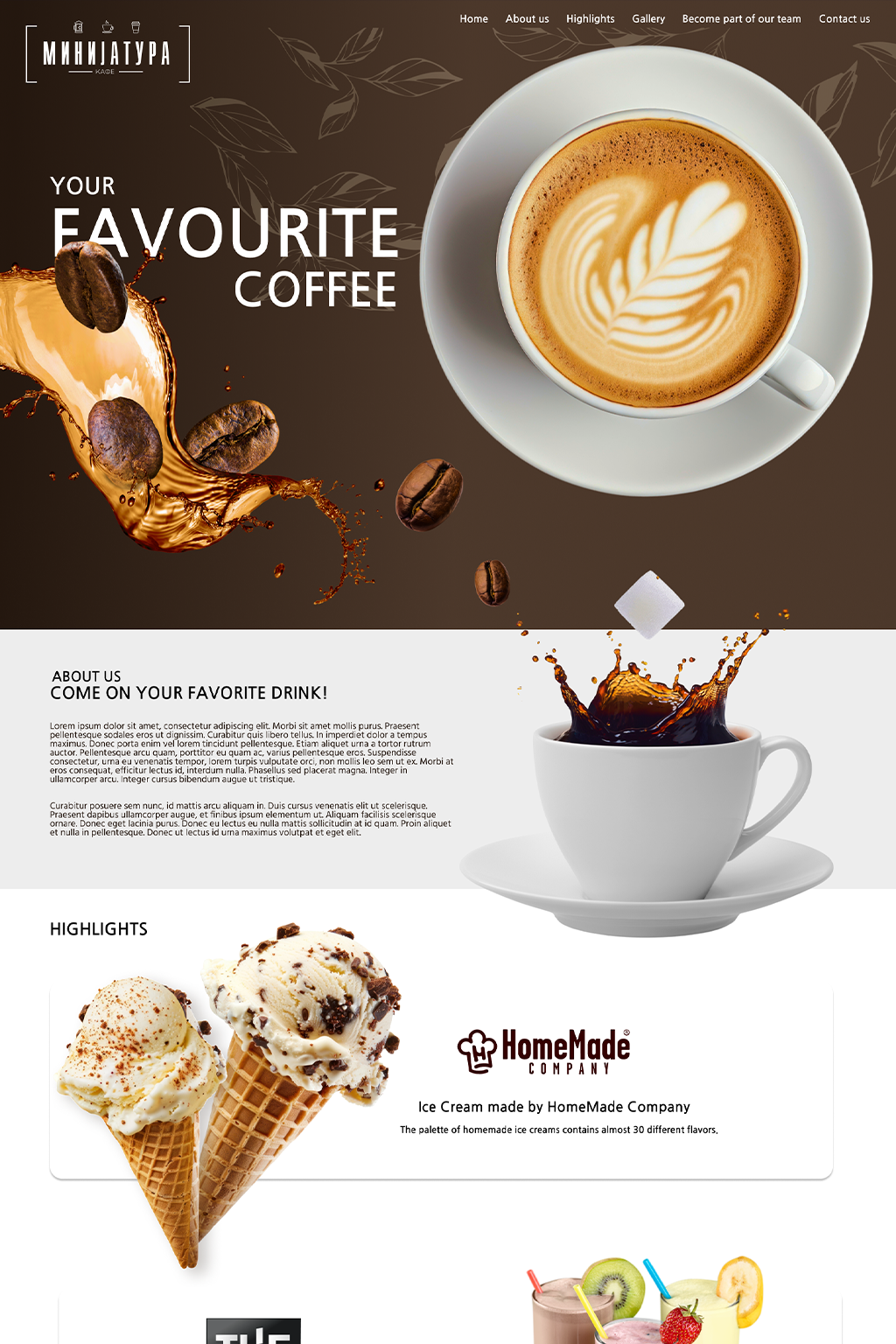
To make this more concrete, here are simplified examples based on real projects and what actually goes into them.
The organisation already had a website, but it lacked clarity, structure, and a sense of credibility.
From a user’s perspective, it was difficult to understand what the organisation does, who it supports, and how to get involved. The visual design itself felt outdated and unappealing, and more importantly, it didn’t reflect the story, values, or impact of the organisation. The goal of the redesign was not just visual improvement, but creating a clearer, more trustworthy digital presence that actually communicates the organisation’s mission.
This involved:
A project like this typically falls within the €8,000 – €12,000 range, depending on scope.
In this case, the client had no existing website but needed a fully functional e-commerce platform.
The challenge was not just to design something visually appealing, but to build a complete system that supports sales, operations, and long-term growth. Beyond the front-end experience, the project required careful planning around structure, product management, and payment reliability.
This included:
Projects like this typically start in the €20,000 – €25,000+ range, depending on complexity.
Image credits
Some images used in this article are sourced from ThemeForest (themeforest.net) and Astra (wpastra.com) and are used for illustrative purposes only.
Have a project in mind? We’d love to hear about it. Let’s turn your ideas into digital reality.
+447308 311093